Unveiling history, one discovery at a time

Welcome to the Age of Dinosaurs

Journey back in time and step into a world where giants walked the Earth and explore the fascinating story of dinosaurs. Discover the incredible creatures that once ruled forests, rivers, and plains millions of years ago. Learn how they evolved, thrived, and eventually disappeared, leaving behind clues that continue to captivate scientists and enthusiasts alike.
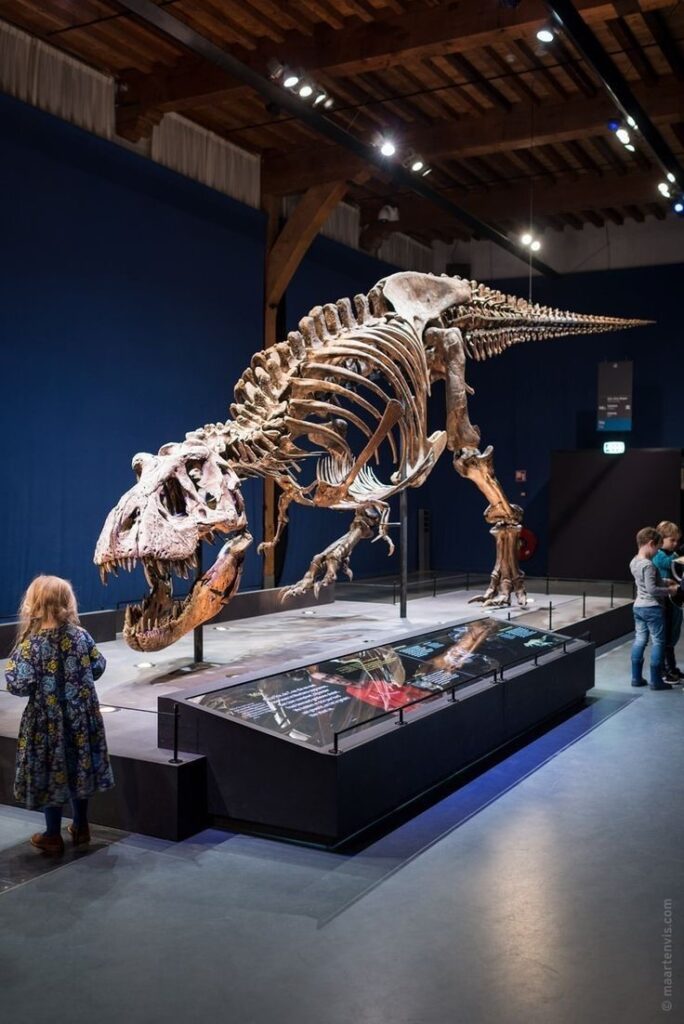
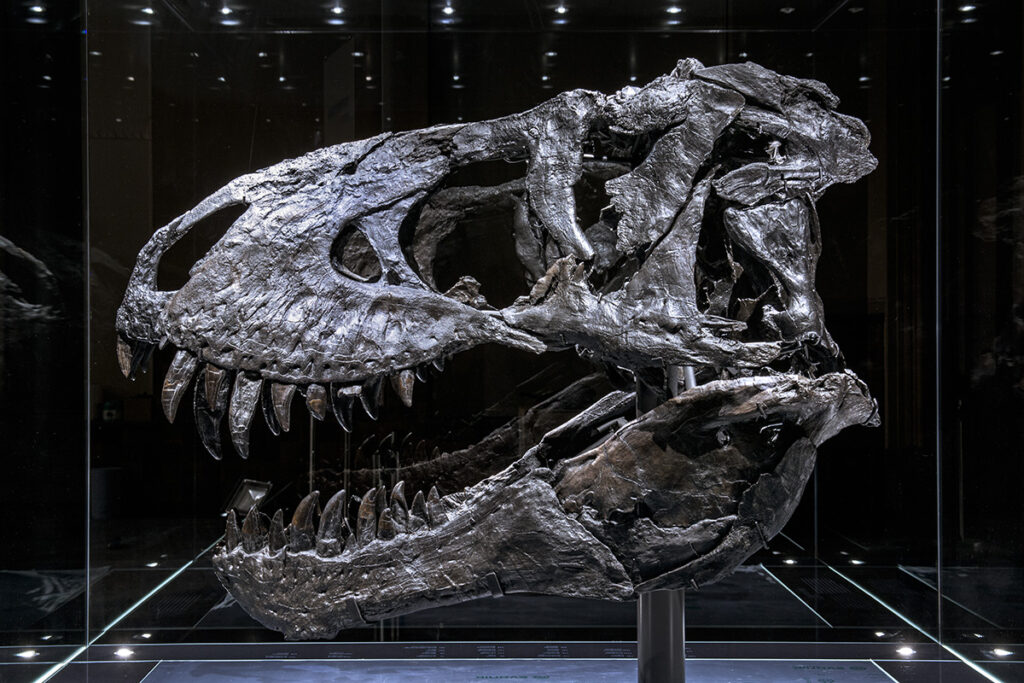
Overview

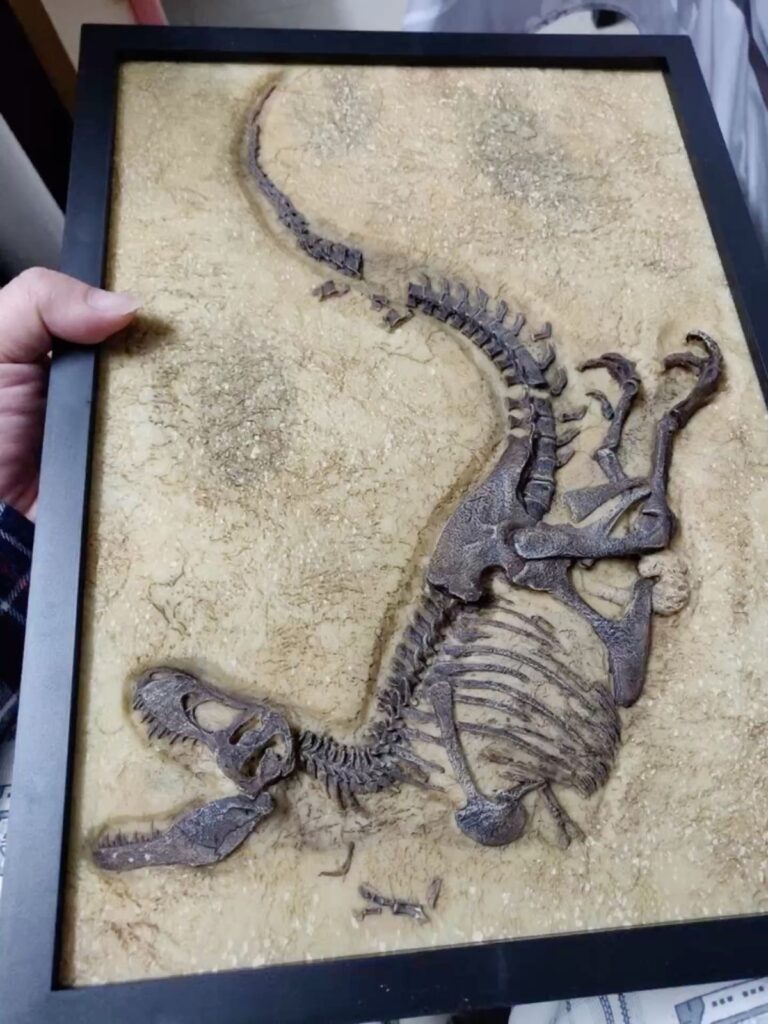
Name meaning: “Tyrant lizard king”
Time period: Lived about 68–66 million years ago during the late Cretaceous Period
Location: Fossils found mainly in North America
Diet: Carnivore

Size & Appearance
Length: Up to 12–13 meters (40–43 feet)
Height: Around 4 meters (13 feet) at the hips
Weight: About 7–9 tons

Construction

A massive skull with powerful jaws
Sharp, banana-sized teeth (some over 20 cm long!)
Tiny but strong arms with two fingers
A long, heavy tail for balance

Bite Force

T. rex had one of the strongest bite forces of any land animal ever, estimated at:

Around 6–8 tons of pressure

That’s strong enough to crush bone—something few predators can do.


Brain & Senses
Relatively large brain for a dinosaur
Excellent sense of smell
Good vision, possibly even better than modern birds of prey
Likely had strong hearing too

Speed & Movement

Scientists debate how fast it could run:

Likely around 20–30 km/h (12–19 mph)
More of a powerful walker than a fast sprinter

Hunter or Scavenger?

There’s been debate, but most scientists think T. rex was:

Both a hunter and scavenger
It could chase prey and steal carcasses when possible

Extinction

T. rex went extinct during the Cretaceous–Paleogene extinction event, likely caused by a massive asteroid impact combined with environmental changes.

Let’s go deeper into what makes the Tyrannosaurus rex so fascinating—especially what scientists have learned in recent years:

Skin, Feathers & Appearance
For a long time, T. rex was shown as fully scaly (like in Jurassic Park), but newer evidence suggests:
It likely had scaly skin in many areas
Some scientists think it may have had patches of feathers, especially when young
Feathered relatives (like smaller tyrannosaurs) support this idea
So: not fully fluffy, but possibly partially feathered

Arms: Tiny but Mighty
Those famous short arms weren’t useless:
Extremely muscular and strong
Each arm could likely lift over 150–200 kg
Possible uses:
Holding prey close
Helping push itself up from the ground

Growth & Life Cycle
T. rex grew very fast during its teenage years
Could gain up to 2 kg (4–5 lbs) per day
Lifespan: around 25–30 years

Young T. rexes were:
More slender and faster
Likely hunted different prey than adults


Behavior & Lifestyle

Scientists are still figuring this out, but evidence suggests:
It may have been solitary, though some fossils hint at possible group behavior
Likely used its sense of smell to track prey over long distances
Could have been an apex predator—top of the food chain

Famous Fossils
One of the most famous T. rex skeletons is:
Sue(though she has been dethroned)
Discovered in 1990
One of the largest and most complete T. rex fossils ever found
Displayed at the Field Museum


What Did T. rex Sound Like?

Forget the loud roar from movies:
Scientists think it made low-frequency sounds
More like:
A deep rumble (similar to elephants)
Or a growl like a crocodile
These sounds could travel long distances—useful for communication or intimidation.

highlights

latest discoveries

Leave a Reply

Your email address will not be published. Required fields are marked *

More Articles & Posts